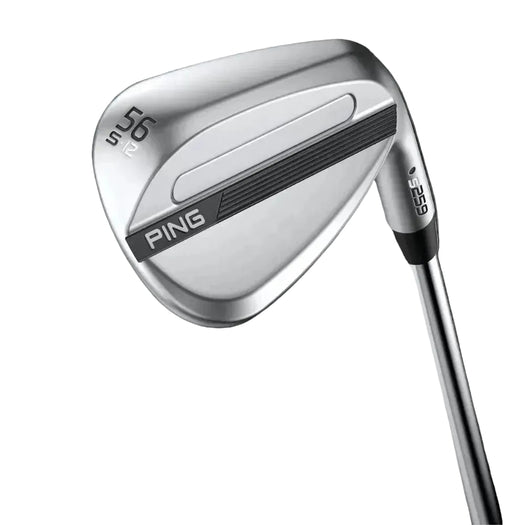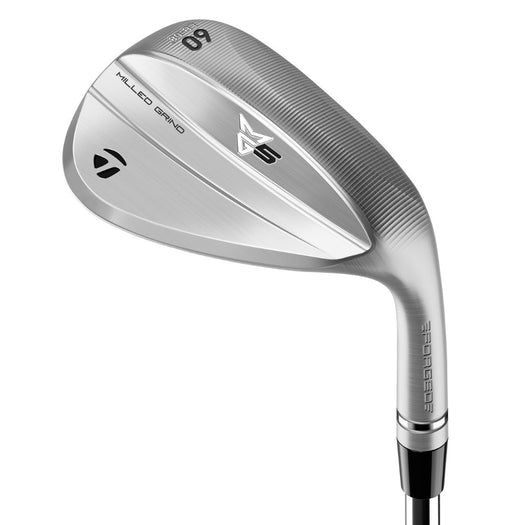


Wedge performance / groove wear
Should You be Changing Your Wedges More Often?
We analyzed test results across the industry — equipment labs, tour reps, and manufacturer R&D — and the results are crazy.
−3,000rpm lost on full swings, new vs. worn
−1,135rpm lost on a 60-yard pitch shot
+24 ftextra rollout by 125 rounds of wear
If you've been gaming the same wedges for a few years, your short game has probably gotten less predictable — chips that used to check up now skate past the hole, and full wedge shots bound over the back of the green. That's not your swing. It's your grooves.
Why old grooves stop gripping the ball
It isn't really the grooves that fail first — it's the texture of the face between them. Every impact with the ball, dirt, and grass gradually strips away the friction that lives between the grooves, and that's the real driver of spin loss over time. Most modern wedge faces are finished with glass bead blasting for cosmetic reasons, and that finish wears out far faster than the sand-blasted faces used decades ago.
A wedge can look completely fine — clean face, sharp-looking grooves — and still be quietly bleeding spin on every shot.
Full swing wedge shots
On full wedge shots, the gap between new and worn grooves shows up as a straightforward, ugly spin number.
MyGolfSpy Labs — 75-round wear simulation, 56° Vokey SM10, 50-yard shots
New wedge
7,000+ rpm
vs
75 rounds worn
3,737 rpm
When that same worn wedge was benchmarked against 18 current-model wedges in MyGolfSpy's 2025 test (13,860 shots recorded), every new wedge produced roughly 3,000 more rpm and launched the ball six to eight degrees lower.
Golf Digest — clean face vs. dirty/unmaintained face, 60° wedge, 100-yard shots
Clean face
10,500+ rpm
vs
Dirty face
5,759 rpm
Worn grooves and a dirty face create the same problem: nothing for the ball to grip against. This test cut spin nearly in half without changing the wedge at all — just the condition of the face.
Titleist / Vokey R&D — internal test, comparable swings
New wedge
Full spin
vs
125 rounds worn
−2,000 rpm
Titleist's own Director of Wedge Development cites this gap as the reason scoring clubs need replacing far more often than most golfers assume.
Chips and pitch shots
Here's the part that surprises most golfers: spin loss on short, slow-swing shots is just as dramatic as on full swings — sometimes proportionally worse.
Today's Golfer — Cleveland 588 RTX vs. RTX 4, 60-yard pitch shot, Foresight GC Quad
New (RTX 4)
9,094 rpm
vs
5-yr-old worn
7,959 rpm
Golf Laboratories — robot testing, 80-meter shot
Spin gained, new grooves
2,000 rpm
/
Rollout gained, worn grooves
12–14 ft
On a pitch shot, that's the difference between a ball that stops pin-high and one that releases well past it.
Roll-out: what shows up on the scorecard
Spin is the cause; rollout is what you actually watch happen. This is where lost spin turns into lost strokes.
Titleist Vokey team — rollout data, cumulative vs. a new wedge
75 rounds
+8 ft
→
125 rounds
+24 ft
Independent testing lines up with Titleist's own 75-round replacement guidance: by 125 rounds, a worn wedge is producing roughly 30% less spin and 140% more rollout than it did new.
The bottom line
- 2,000–3,000 rpmlost on full wedge shots as grooves age from new to 75–125 rounds of wear
- 1,100–2,000+ rpmlost on 50–80 yard chips and pitches — proportionally just as damaging as on full swings
- 8–24+ ftof extra rollout on approach and chip shots once grooves wear in, up to 2.5x more at the extreme end
None of this requires your wedges to look obviously damaged. Grooves that appear sharp to the eye can already be well past the point of reliable spin performance — which is exactly why so many golfers get blindsided by shots that release further than expected.
The driver and putter are the two clubs most frequently put on the chopping block, often taking the blame—much like a quarterback—when a player's game suffers. However, this data makes a strong case that refreshing your wedges might be the quickest improvement available to your golf bag.
A few signs your wedges are already past it
Shots release past the flag instead of checking up.
Chips skid and run instead of grabbing on landing.
Grooves look shiny or rounded instead of sharp-edged.
It's been more than a season — 65 to 75 rounds — since your last set.
Shop All Wedges →
Best Selling Wedges
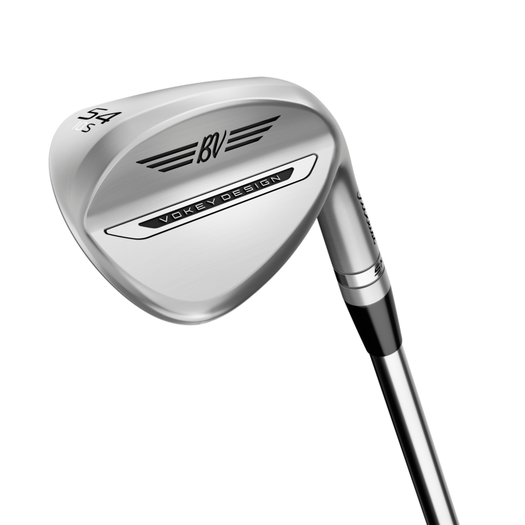
Titleist Vokey SM11
SM11's are the most popular wedge in golf - and now have heat treated grooves intended to double the durability and lifespan of the wedge.
Shop Now