


Bounce is one of the most misunderstood numbers on a wedge, but it's also one of the biggest levers you have for turning shaky contact into predictable, repeatable short game shots.
Here's what bounce actually is, how it connects to grind, and how to think about which number belongs in your bag.
What Is Wedge Bounce, Exactly?
Bounce is the angle between the leading edge of the club (the front edge that meets the ball) and the lowest point of the sole (the part that meets the turf). It's measured in degrees, and on most wedges it lands somewhere between 4° and 14°.

A higher bounce angle lifts the leading edge further off the ground at address, so the wider, lower part of the sole makes contact with the turf first and helps the club skim through rather than dig in. A lower bounce angle keeps the leading edge closer to the turf, which is great for clean, precise contact but offers less protection if you catch the shot heavy.
Neither is "better" — bounce exists to match the club to your swing, your conditions, and the shots you actually play.
Bounce and Grind: What's the Difference?
Bounce is a single number. Grind is the shaping around it.
Grind refers to how a club's sole has been reshaped — narrowed, widened, or relieved at the heel, toe, or trailing edge — to fine-tune how that bounce number behaves in real conditions. Two wedges can share the same stated bounce and still feel completely different through impact because of grind.
This matters most when you open the clubface. Rotating the face effectively lowers the usable bounce, since you're presenting a different part of the sole to the ground. A grind with heel and trailing-edge relief (common on low-bounce, greenside-focused grinds) lets skilled players open the face and manipulate shots without the sole getting in the way. A wider, fuller grind with less relief keeps more bounce "in play" no matter how square the face is, which adds forgiveness but sacrifices some shotmaking flexibility.
In short: bounce tells you how much resistance the sole offers. Grind tells you where on the sole that resistance lives, and how it holds up when you open the face.


How Course Conditions Affect Your Ideal Bounce
- Soft or wet turf, fluffy bunker sand: The club can sink in easily, so more bounce keeps the leading edge from digging too deep and stalling out on impact.
- Neutral conditions: Nothing extreme in either direction, so bounce can stay balanced without overcorrecting.
- Firm, dry turf, thin bunker sand: The ground resists the sole, so less bounce lets the leading edge get under the ball cleanly instead of bouncing off hardpan into the equator of the ball.
How Your Swing Path Affects Bounce
- Steep swings take a deeper, ball-then-turf divot. Extra bounce acts like a buffer, preventing the leading edge from stabbing into the ground and causing chunked shots.
- Neutral swings produce a shallow, even divot after the ball and don't need bounce to compensate for an extreme angle of attack.
- Shallow, sweeping swings barely interact with the turf. Too much bounce here can cause the leading edge to sit up and skull the ball, so less bounce keeps things clean.
How Your Shot Types Affect Bounce
- Full and half swings take real divots, so moderate-to-higher bounce helps the sole glide through the turf instead of digging.
- Standard, square-faced chips benefit from a touch of bounce for consistency and forgiveness on slightly heavy or thin strikes.
- Open-face, finesse chips increase the bounce that's in play by raising the leading edge and exposing more of the sole to the ground. Since opening the face changes what part of the sole touches down, lower bounce, paired with a grind that offers heel and trailing-edge relief, keeps the leading edge accessible for these shots.

Low Bounce: Who It Benefits
Low bounce wedges (roughly 5°–7°) keep the leading edge close to the turf. They tend to suit players with a shallow, sweeping swing path; golfers who play mostly on firm, dry courses or tight lies; anyone who likes to open the face for flops, spinny pitches, and creative greenside shots; and more experienced players who make consistent, ball-first contact.
The tradeoff: with less margin for error, a heavy strike is more likely to dig rather than glide.
Top Low Bounce Grind Wedges
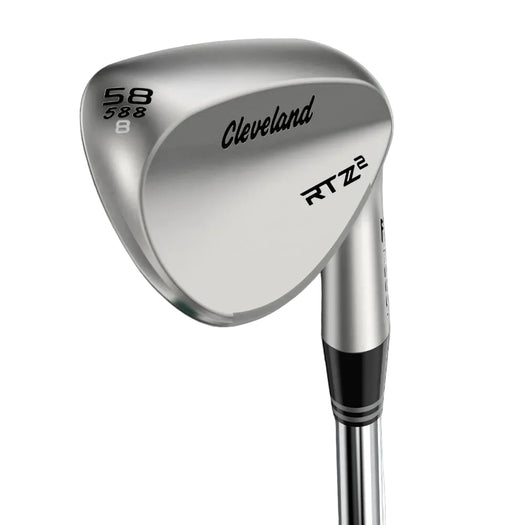
Low Bounce · 6°
Cleveland RTZ2 — Low Grind
Built for higher-lofted, lob-wedge-style play, pairing 6° of bounce with heel, toe, and trailing-edge relief. Designed for firmer conditions and shallower divots, giving skilled players room to get creative around the green.
Shop Now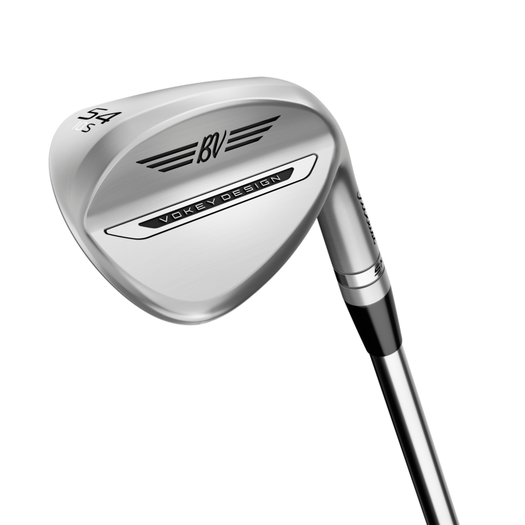
Low Bounce · T Grind
Titleist Vokey SM11 — T Grind
Vokey's dedicated low-bounce option, with maximum heel, toe, and trailing-edge relief so the sole hugs the ground even with the face wide open. Aimed at players in firm conditions who want maximum greenside versatility.
Shop Now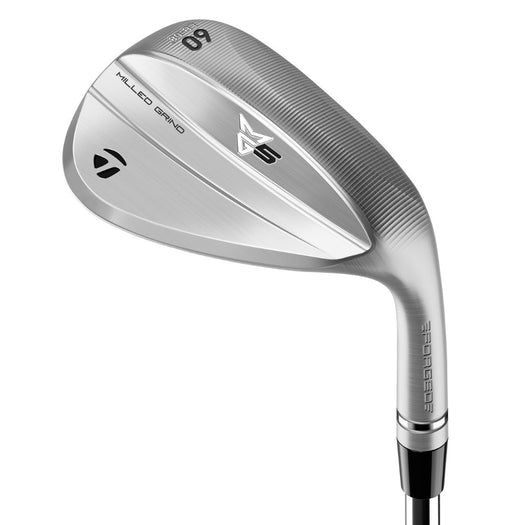
Low Bounce · LB Grind
TaylorMade MG5 — LB Grind
TaylorMade's lowest-bounce grind in the MG5 lineup, built for shallow swingers on tight, firm turf. Rewards precise, ball-first contact for golfers who prioritize control over margin for error.
Shop NowHigh Bounce: Who It Benefits
High bounce wedges (roughly 12°–14°) keep the sole from digging in. They tend to suit players with a steeper angle of attack who take a deeper divot; golfers who regularly play soft, wet, or lush turf; anyone who spends a lot of time in bunkers, especially with fluffy sand; and players who want a bigger margin for error on full swing wedge shots.
The tradeoff: extra bounce can make it harder to open the face and hit certain finesse shots, since more of the sole is fighting to stay engaged with the turf.
Most golfers land somewhere in the 8°–10° mid-bounce range, which is why it's the most common stock offering across brands — it's the "if in doubt" number that performs reasonably well across conditions and swing types.
Top High Bounce Grind Wedges
High Bounce · K Grind
Titleist Vokey SM11 — K Grind
A wide, full sole with added camber for forgiveness from sand and variable turf. The high-bounce configuration reduces digging in soft bunkers and lush conditions — a favorite for extra insurance on full shots.
Shop Now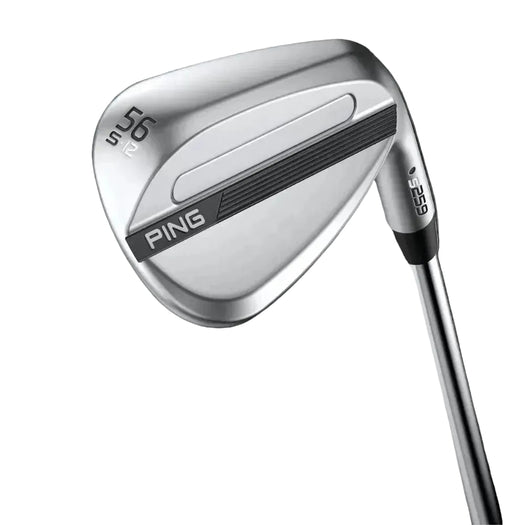
High Bounce · W Grind
Ping s259 — W Grind
Ping's most forgiving, highest-bounce option, purpose-built for steeper angles of attack and softer conditions. The wide sole resists digging even with aggressive shaft lean — a confidence club for full swings and bunker play.
Shop NowHigh Bounce · HB Grind
TaylorMade MG5 — HB Grind
Adds relief at the heel with a tapered trailing edge, delivering more bounce toward the toe. Built for steeper swingers and soft conditions, while still offering more versatility than a typical high-bounce sole.
Shop NowQuick Reference: Bounce Ranges
| Range | Degrees | Best for |
|---|---|---|
| Low | 5°–7° | Shallow swings, firm/dry turf, open-face shotmaking |
| Mid | 8°–10° | All-around play, moderate conditions, most golfers |
| High | 12°–14° | Steep swings, soft/wet turf, bunkers, full-swing forgiveness |
Still not sure where you land?
Find the Right Wedge Bounce
Bounce, grind, conditions, and swing path all work together. Take the Wedge Bounce Finder quiz — answer a few questions about your wedge, your conditions, your typical shots, and your swing path — and it'll point you to the range that fits your game.
Take the Wedge Bounce Quiz


